
With summer stretching out before us, once again the Bason will be a popular spot for picnics, family gatherings, or just a stroll to admire the flowers. But the Bason is more than just a pretty setting, the clue is in the name – Bason Botanic Gardens. As a botanical garden we are dedicated to the collection, cultivation, preservation and display of a wide range of plants. Horticultural education plays as much of a role as the beauty of our displays and we are always on the lookout for ways to provide useful information. Key to this is the range of collections at the gardens, these are either in the form of species-specific planting or more thematic plantings. Collections form a useful resource to illustrate the growing needs of specific plants and inspiration for what you can plant in your own garden.
Examples of our species collections include the:
- Arboretum, to the right as you enter the gardens is a loop road that takes you through a collection of conifers and native trees which have been left in their natural shapes rather than limbed up so you can see how they grow (and how big they get). This collection extends down the hill with a selection of eucalyptus trees.
- Iris bed, close to the pergola that leads to the conservatives is a round brick bed that displays these rainbow coloured flowers. Like many of our plant collections, the initial source of these plants was from keen growers.
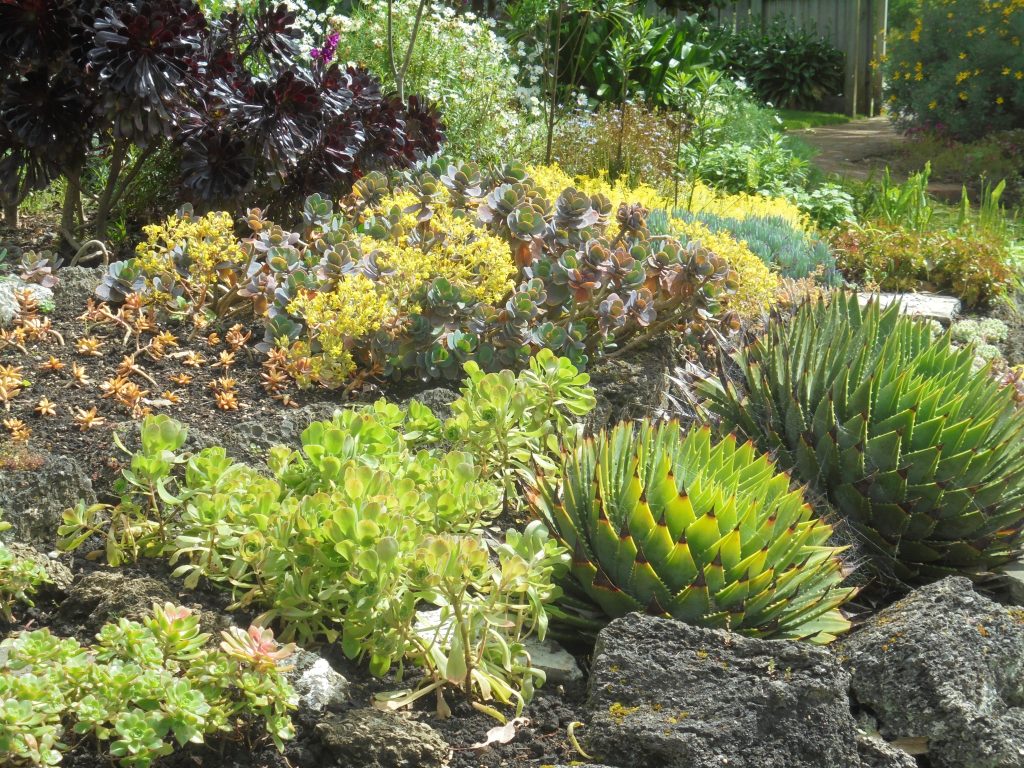
- Succulent display, down the bank of the Homestead Garden, is a testament to the horticultural skills of our late patron Vonnie Cave and solved the problem of what to grow in full sun and shallow soils, without blocking the view across the gardens.
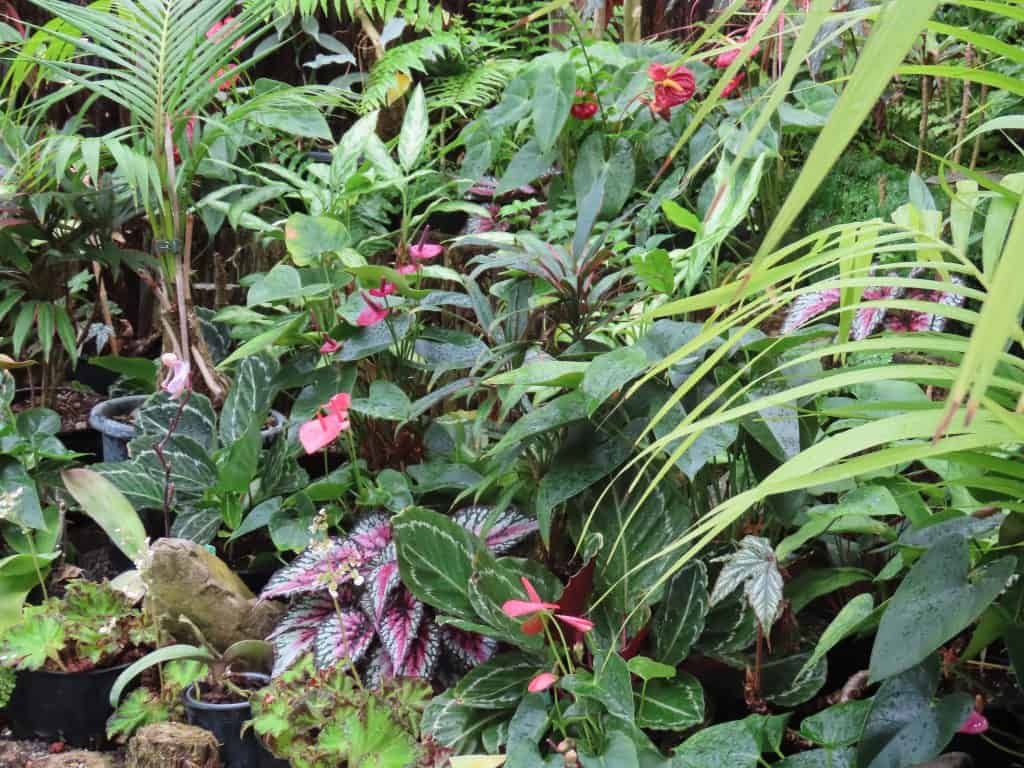
- Conservatories and Fernery are examples of purpose built structures to grow plants with more demanding needs, orchids in the heated Larson House and native ferns, which require cool shady conditions as provided in the Boothby Fern House.
- Kōwhai collection, planted on the banks above the fern house extends the native plantings in this area to display a range of kōwhai. Some garden visitors are surprised that there is more than one form of this flowering native.
- Camellia grove, planted in species beds, this collection displays different types of camellias along with popular hybrid forms. This is just one of the collections in the Spring Gardens which also includes displays of daffodils, magnolias, rhododendrons and azaleas.
Examples of thematic gardens include the:
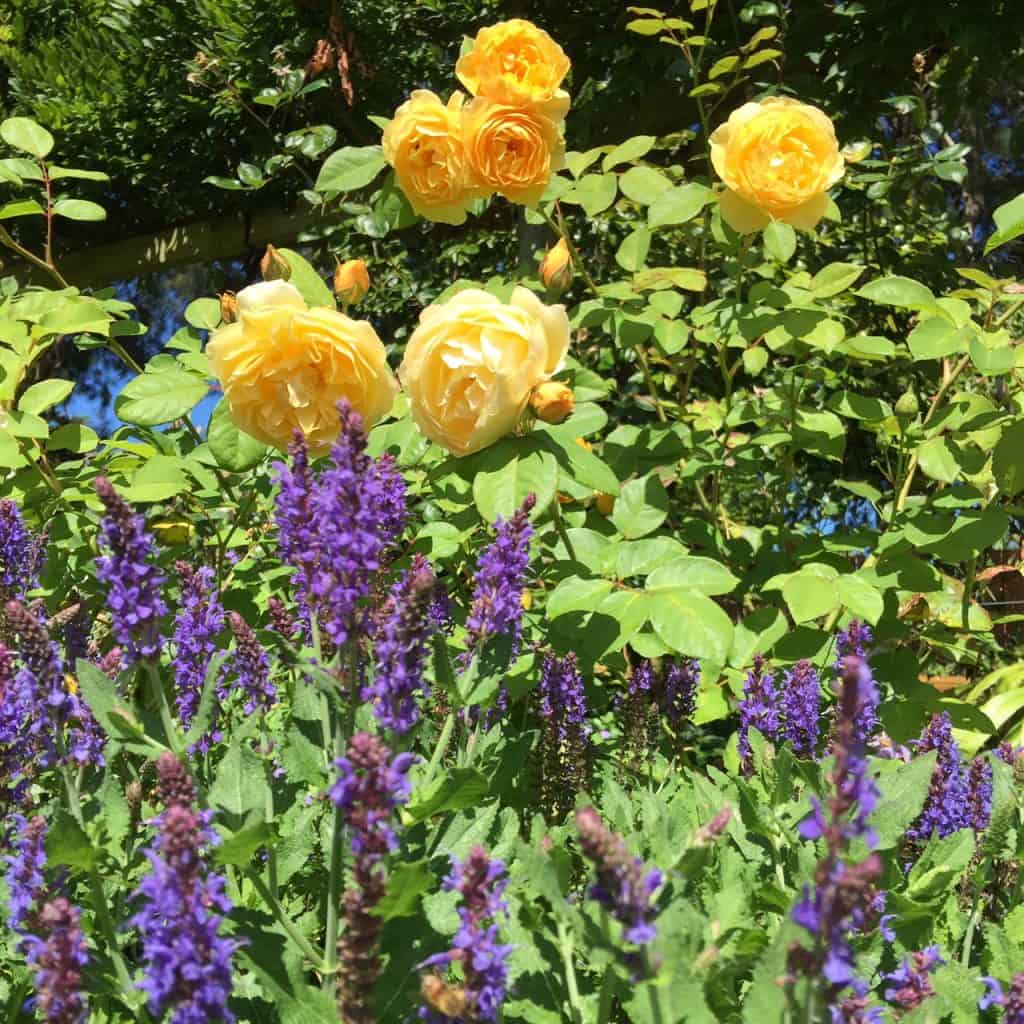
- English garden around the old Bason Homestead. While larger than many home gardens this collection of beds is popular with visitors seeking examples of how to tackle difficult areas in their own gardens. At the back of the house is an area of dry shade which provides inspiration both in the way the beds have been designed and the selection of plants that can grow successfully in these conditions. The yellow and blue beds by the wisteria walk provide an example of popular colour combinations, while the hot border is a sizzling display of what can be achieved in full sun.
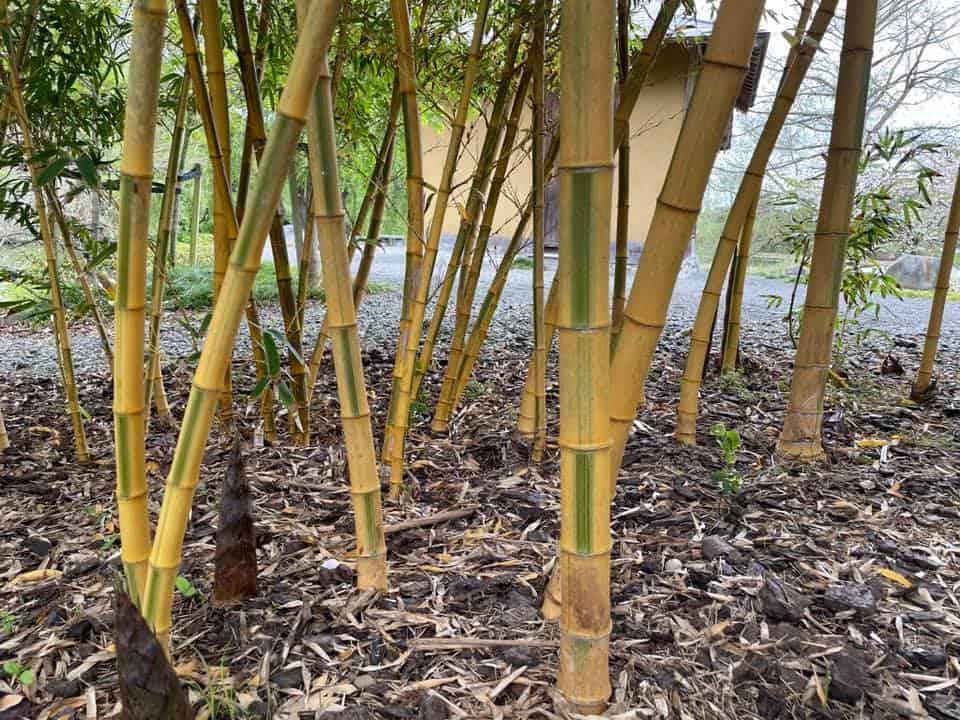
- Japanese garden with tea house is an interpretation of a tea garden designed to make the most of its lakeside setting and display Asiatic plants including bamboo and acer. Not everyone wants to grow giant bamboo in their garden is a wonderful experience to walk through the golden canes and you can always consider growing one of the smaller ground cover forms.
- Native collections, across from the Japanese garden are the wetlands which look like they have always been there but actually have been carefully planted in a naturalistic style. This area includes a flax collection and leads to a track through native bush where you have the choice of hiking onto the fern house and native beds, or around to the nīkau collection and back to the Homestead Garden.
- Friendship garden features scented plants along a walkway and is a particularly useful place to visit in winter to learn how to extend interest throughout the year. The Friendship garden is just one of the plant collections on the Millennium Hill which also includes more Mediterranean plantings around the steps and an impressive collection of aloes and agaves on its zig-zag lawn paths.