
PLEASE DON’T EAT THE PLANTS AT THE BBG, MOST ARE NOT EDIBLE AND SOME CAN BE TOXIC!
Labour weekend has just gone and many of us were busy sorting out tomatoes, planting potatoes or digging over our vegetable gardens ready for summer crops. While we don’t have a vegetable garden at the Bason, we have a surprising number of edible or ornamental forms of edible plants.
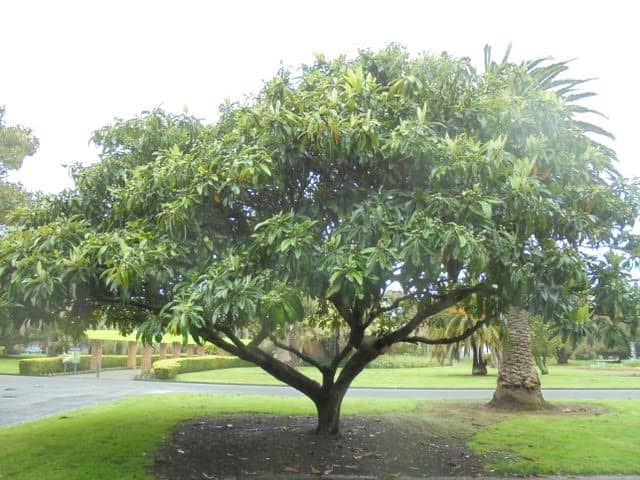
While the herb beds in the Homestead Garden are the obvious place to look for edible plants, there are a number spread out elsewhere in the BBG. In the Mediterranean inspired gardens you will find citrus and olives, along with hazels and walnuts. Elsewhere there are loquat trees (Eriobotrya japonica), cardoons (Cynara cardunculus) and the aptly named prickly pear (Opuntia ficus-indica).
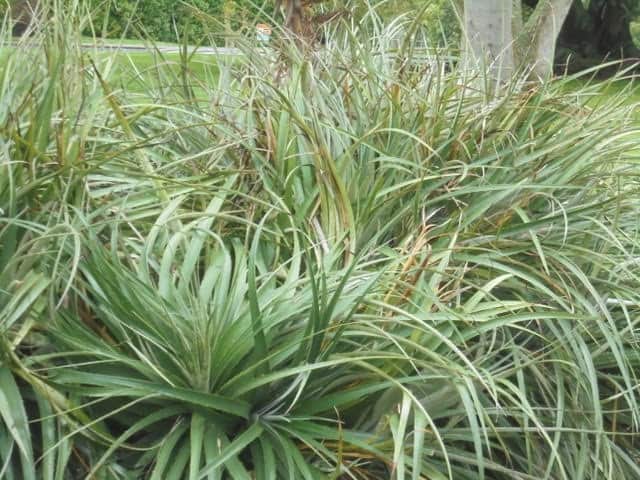
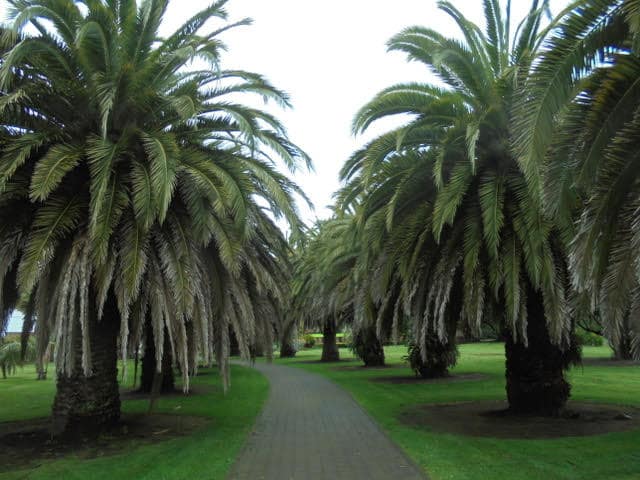 There is a wider group of plants and trees that are grown for their beauty rather than the ability to eat them, these include false date palms (Phoenix canariensis), flowering cherries and crab apples, along with ornamental onions. Others don’t look edible at all but their close relatives are, such as the spiky Puya which is in the same family as the pineapple – not to be confused with the pineapple lily (Eucomis) which are bulbs that have flowers that look a bit like a pineapple.
Then there are plants that you assume are grown just for their flowers but have been used for food in the past, these include daylilies (Hemerocallis fulva) which have edible flowers, stalks and tubers. Dahlia (Dahlia pinnata) have edible tubers like their close relative Jerusalem artichokes (Helianthus tuberosus) but I wouldn’t recommend eating modern hybrids.
If you want to go native, then there is an abundance of local bush tucker if you know how to identify and prepare it – at the Botanical Gardens these include:
- Tī kōuka (Cordyline australis) have tender central leaf shoots that can be eaten raw or cooked – hence its common name, cabbage tree.
- Young shoots or fiddleheads of ferns such as: hen and chickens (mouku); common shield (pikopiko); gully (pākau); or hound’s tongue (kōwaowao), should be steamed or lightly boiled before eating to remove carcinogenic compounds. The roots of bracken fern (rārahu) can also be eaten but are complex to prepare.
- Kawakawa (Macropiper excelsum) seeds can be used as a culinary spice and a tea can be made from its leaves.
- Horopito (Pseudowintera colorata) adds peppery heat to meat and fish dishes, which means it’s often referred to as the native pepper shrub.
- And if the gardeners haven’t weeded it out, then puha (Sonchus oleraceus) is a good edible green.