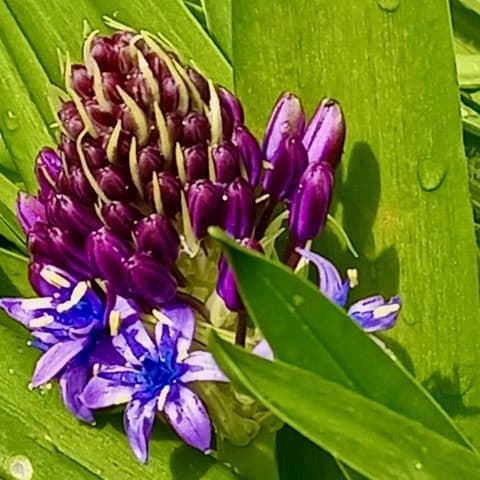
One of the great things about living in Whanganui’s ideal temperate zone is that we get to enjoy seasonal variation… even if the seasons sometimes get a bit muddled. On a recent visit during a soggy day that was meant to be the start of spring, I noticed that many of the flowers we associate with the season are already on their way out. The daffodils and magnolia appear to flower earlier each year and may only hang on for a few more weeks. The last of the camellias are falling but the bluebells and primula are out. As well as the more common form of bluebell, the Bason grows the exotic sounding Peruvian bluebell but it’s not from Peru, rather it’s a Mediterranean bulb commonly known as Portuguese squill.
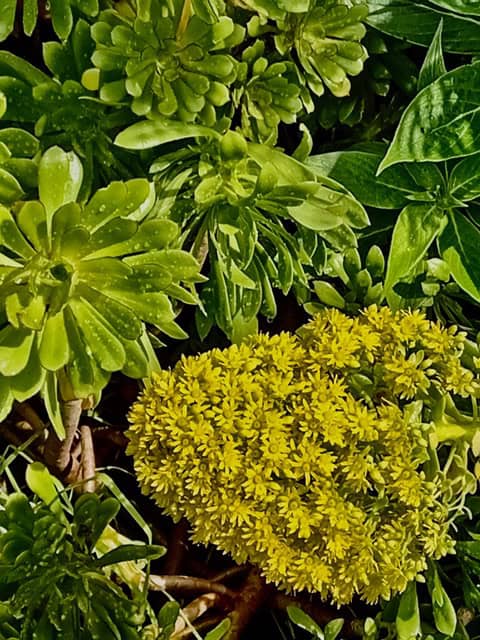
While the giant winter flowering aloes are going over some of the smaller succulent species are just coming into bloom. Noticeable among these are the houseleeks, no not edible leeks but a form of succulent with vivid lime yellow cones of flower. The common name houseleek comes from the Anglo-Saxon word leac, meaning “plant”. Since these plants sometimes grew on thatched roofs they became known as house leeks. Oddly they were thought to ward against fire and lightning strikes and protect the household against witchcraft and evil spirits.
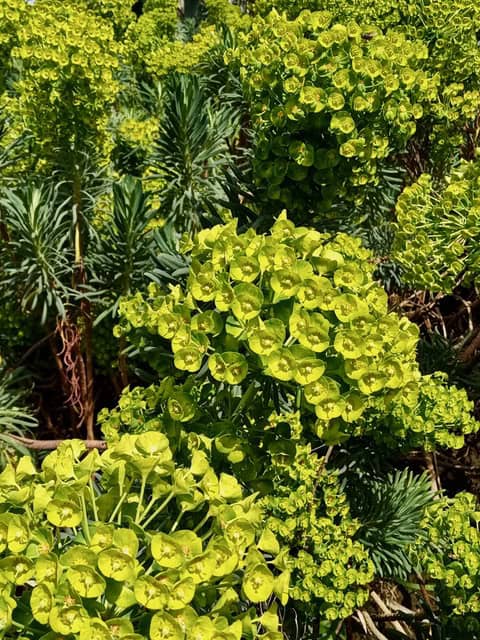
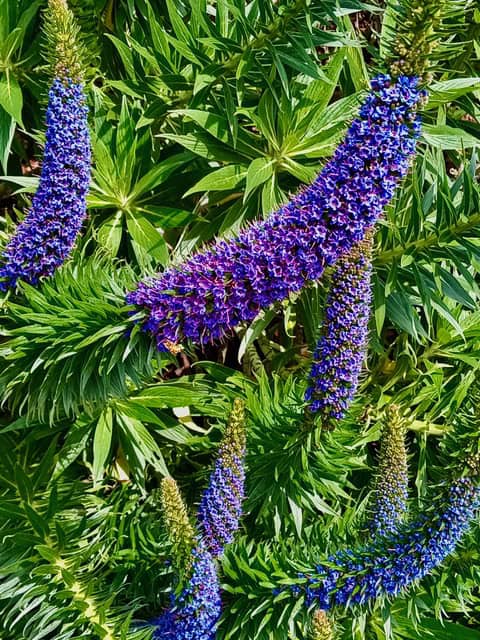
On Millennium Hill the spurge and echiums are coming back into flower, this clash of lime green and purple makes a brilliant display on a difficult steep site. It’s not a good idea to get too close to these lovelies as the milk sap of spurge plants is an irritant to many people, and echium have fine hairs on their leaves which can also be problematic.
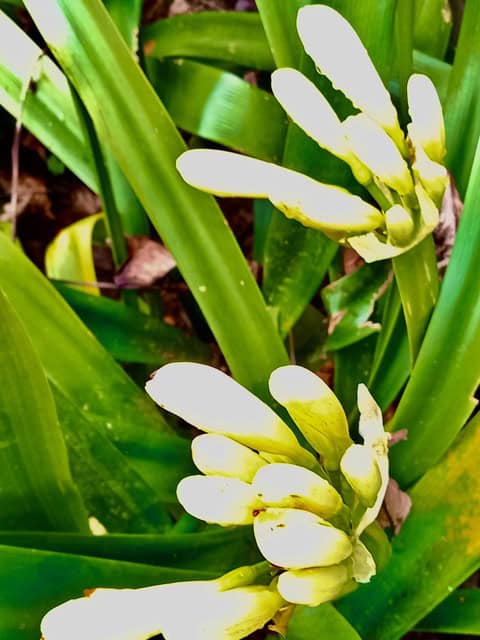
The clivias are flowering again, these hardy herbaceous lilies flower in shades of bright orange with selected forms of red, apricot and yellow. Due to their toughness and ability to grow in often difficult shaded sites they have become a popular plant in Aotearoa New Zealand but are actually endemic to Southern Africa. After flowering the prominent seed heads make an attractive addition to the gardens.
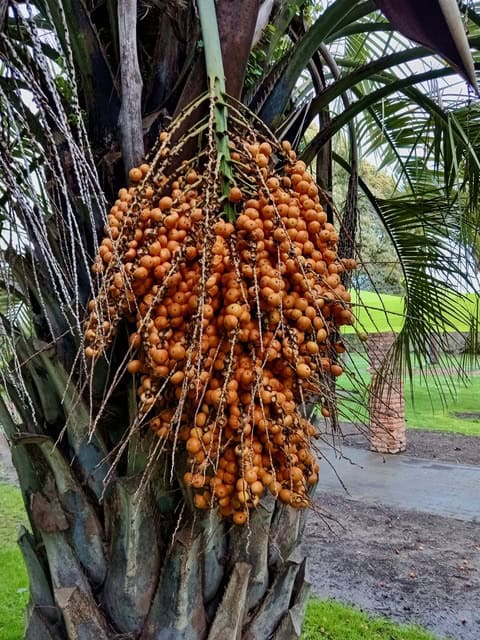
It’s a good time to spot seeds as many of the palms are dropping their seeds now. Close to the pergola in the dress circle the fruit of the jelly palm are forming a tasty treat to be Bason’s birds. The seeds of this palm smell of a mix of tropical fruit and apricots and are used in their native Brazil to make jelly.
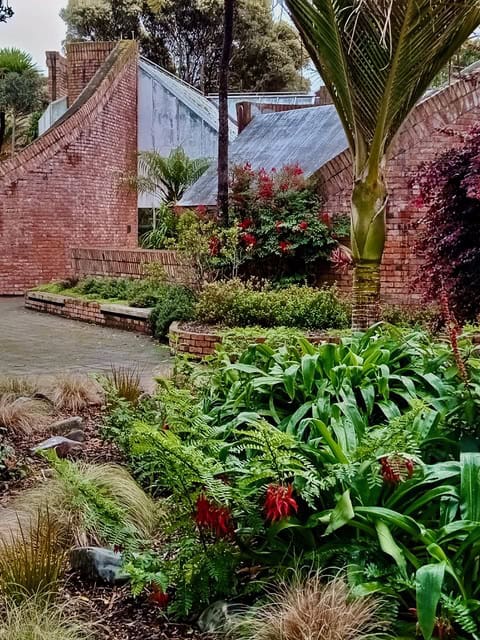
Not to be outdone by their exotic counterparts the native kōwhai are flowering en-mass at the back of the gardens on the Harry Cave bank. Closer to the conservatories the kaka beak are flowering in the courtyard garden, this area was recently replanted with natives to complement the existing nikau, tree ferns and rengarenga. The idea is to showcase how native plants can be used in smaller domestic settings. The plants were also selected to cope with the difficult conditions in this area caused by shade, poor soil and drainage/service pipes. The natives have proved to be up to the challenge and complement the red flowering tropical vireya that have been moved into nearby raised beds.
Spring can be a good time to revamp beds and at the Bason we’ve been working on re-designing a few areas to showcase new planting schemes that demonstrate not only the range of plants we can grow in our area but also new ways to combine plants to make the most of your garden. Worth popping out to the gardens to see what’s in bloom.